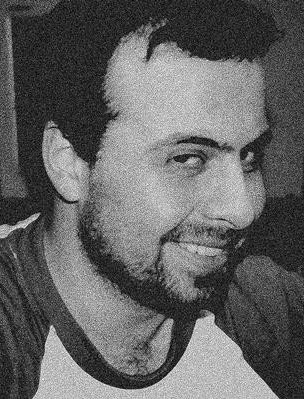
Celebrity lawsuits can be loud, messy, and weirdly empty at the same time. This one wasn’t. The Ohio case involving Afroman had real bite to it because it sat right in that uncomfortable space where music, mockery, and public authority collide. Not a standard fame story. Not really. It was about what happens when an artist takes something upsetting, turns it into content, and then gets dragged into court over the result.
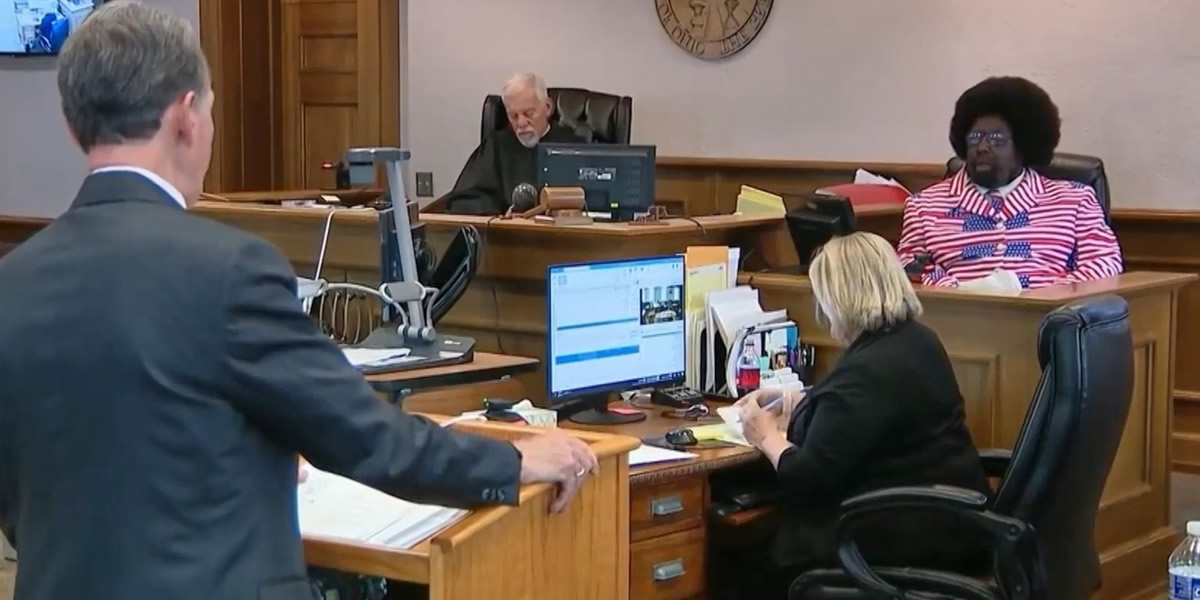
A jury ended up backing Afroman, born Joseph Foreman, after seven deputies from Adams County sued him over songs and videos tied to footage from a 2022 raid on his property. Their argument was that the material crossed the line — that it embarrassed them, hurt their names, and caused emotional distress. They were reportedly asking for close to $4 million. In the end, the jury didn’t buy it. Big win for the rapper. Pretty blunt one, too.
Where the Dispute Really Began
To understand why this case got so much attention, you have to go back to that raid. Investigators had searched Afroman’s Ohio home while looking into allegations involving drugs and kidnapping, but no charges followed. That part matters. A lot. Afterward, he took security footage from inside the house and built a string of satirical music videos around the whole experience. Not subtle videos, either. Mocking, irritated, a little ridiculous on purpose. Internet-ready stuff, basically.
Two tracks became the center of the fight: “Lemon Pound Cake” and “Will You Help Me Repair My Door?” The first one, especially, blew up online and became the thing people associated with the case almost instantly. Afroman’s side argued that the songs were protected expression — commentary, satire, art, however you want to frame it — built from something that had happened to him in real life. And looking at the verdict, the jury seems to have accepted that argument.
Why This Verdict Matters Beyond One Viral Rapper
What makes the ruling interesting is not just that Afroman won. It is what he won on. This case became a real test of whether satire and musical commentary can still survive when public officials say their reputations were harmed. That is a big question, honestly. Bigger than one song, bigger than one courthouse. It also shows how quickly entertainment disputes can start to resemble broader commercial and reputational fights — the sort of legal tangle a Calgary litigation lawyer would probably recognize right away, even outside the celebrity world.
There is also the culture angle. Afroman is still widely known for “Because I Got High,” but this case pulled him back into the spotlight for a totally different reason: not nostalgia, but legal resistance through music. And in an era when artists keep turning personal conflict into content, that matters. Maybe more than people first realize.
The Bigger Takeaway
For now, the verdict stands as a sharp little reminder that music can still provoke, mock, and push back — and sometimes do all three in court-adjacent ways. The videos were messy, provocative, and very much not polite. But that was part of the point. Afroman turned a raid into a narrative, then turned the narrative into songs, and then watched a jury decide that kind of expression was protected. Strange story. Very American one, too.