Let’s be honest. We’ve all sat there in the dark, popcorn ready, silently wondering: Wait, can my favorite pop star really pull this off? Sometimes, they surprise you. Other times, well, it’s better to just move on.
Music and Hollywood? That’s a wild ride. It’s like watching a celebrity romance—chaotic, unpredictable, and you just can’t look away. Studios figured out early that musicians on screen sell tickets. Way back with The Jazz Singer (often called the first big “talkie”), the message was basically: “Sound + star power = money.” After that, the door swung wide open. Frank Sinatra moved smoothly into film. Elvis Presley turned charisma into an entire movie pipeline. And honestly, it wasn’t only about filling seats. It was about that weird, rare thing—stage magnetism—that sometimes survives the jump from a stadium to a close-up shot.
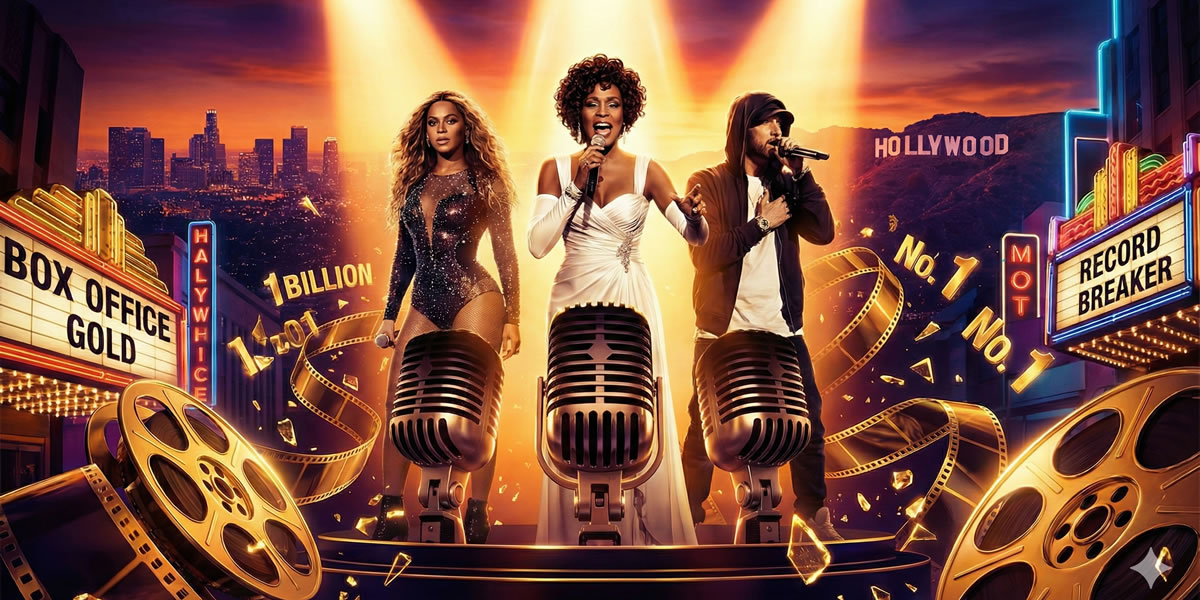
Here’s the thing: singers who try acting face a ton of scrutiny. Folks walk into the theater already forming opinions—sometimes before the movie even starts. But sometimes, it just clicks. Everything lines up—the music, the plot, the star power—and suddenly, you’ve got this pop culture lightning bolt.
Have you noticed how some films don’t just feature a musician, they’re practically powered by them? That’s the sweet spot. Soundtrack boosts the movie; the movie immortalizes the songs. Marketing teams dream about that stuff. And today, we’re looking at three American giants who didn’t just pop in for a cameo—they walked into the box office and basically said, “Move.”
Eminem: Gritty Reality in Detroit
In 2002, the idea of a controversial rapper carrying a serious drama sounded, to some Hollywood people, kind of ridiculous. Then Eminem showed up with 8 Mile and made everyone sit down.
At the peak of his fame—radio on fire, headlines everywhere—Marshall Mathers didn’t pick a glossy action role or some easy comedy. He went the other way. A raw, semi-autobiographical story about struggle, class, identity, and Detroit. Risky? Yep. But it paid off in a big way. The movie opened at number one and pulled in over $51 million in its first weekend. Worldwide, it climbed past $242 million on a reported $41 million budget. That’s not “good for a musician.” That’s good, period.
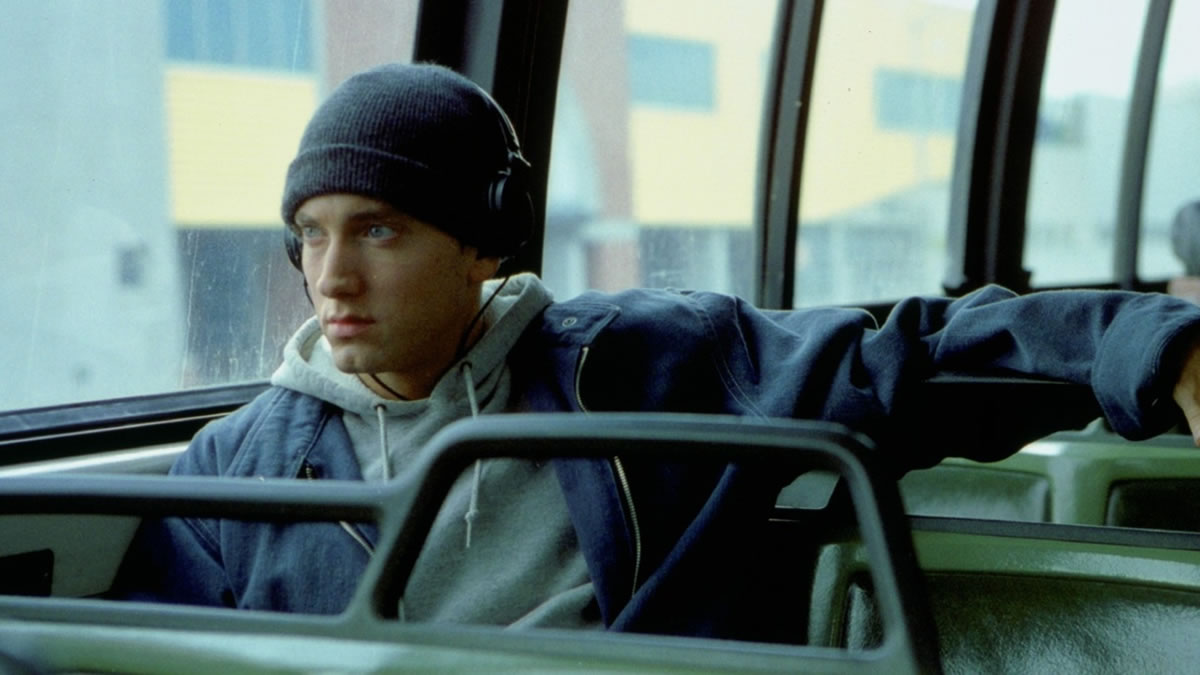
And the behind-the-scenes stuff is basically myth-tier at this point. He was writing music during production—like, literally in the gaps between takes. Lights being adjusted? He’s scribbling lyrics. Crew moving equipment? He’s in a corner, locked in. That tunnel-vision gave us “Lose Yourself,” which became the first hip-hop track to win an Academy Award for Best Original Song. Funniest part? He didn’t even go to the ceremony. He assumed he’d lose, stayed home, and apparently slept through it. Meanwhile, Barbra Streisand announces his win on live TV. Imagine waking up to that. Wild.
What made it connect wasn’t polished acting tricks. It felt like the truth. Not perfect truth, maybe, but close enough that audiences respected it. And yeah—people love authenticity. Even when it hurts.
Whitney Houston: The Voice of a Generation
Okay, rewind to the 90s. If you weren’t there, it’s hard to describe how huge this was. Whitney Houston wasn’t just famous—she was everywhere. The voice. The hair. The presence. Then she stepped into film with The Bodyguard (1992), and people weren’t sure what to expect.
On paper, it looked… almost too neat? A pop star playing a pop star. Wow, revolutionary (yes, that’s sarcasm). But unlike Kevin Costner, she brought this mix of pride and vulnerability that audiences ate up. Critics, though? They went in. They shredded the script. They rolled their eyes. And did it matter? Not even a little.
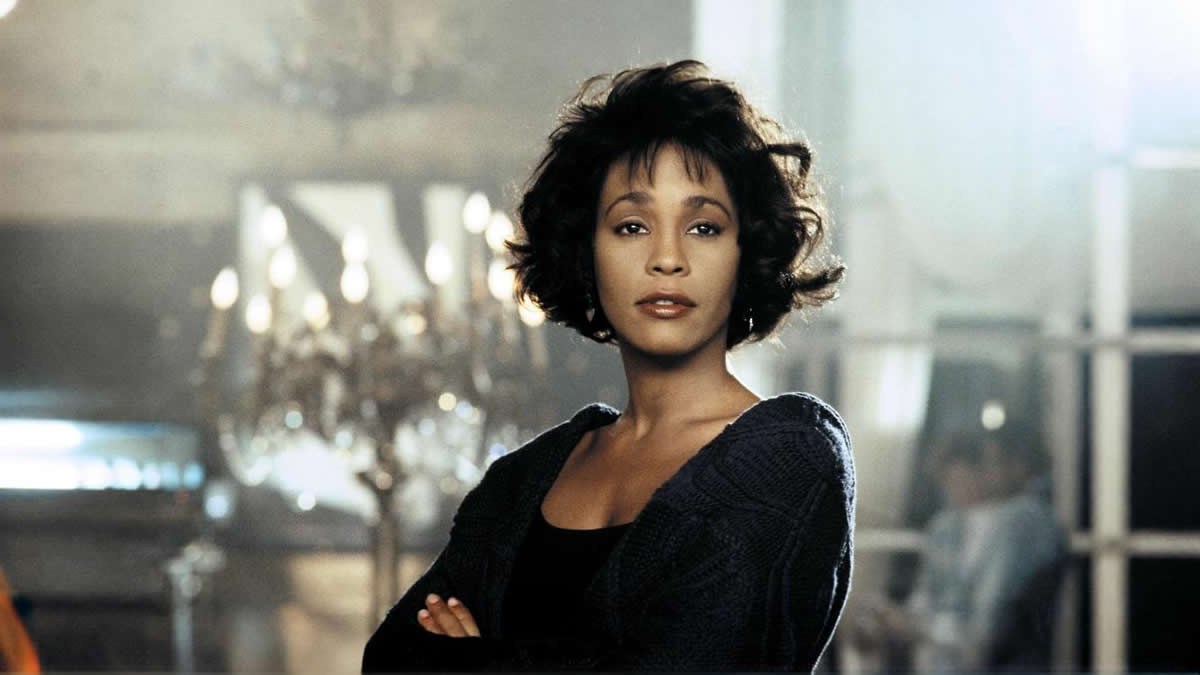
The movie earned approximately 411 million dollars through its global box office performance. People who say “adjusted for inflation that creates a billion-dollar vibe” need to understand that they have not exaggerated the actual effect that statement creates. The synchronization between the soundtrack and the movie demonstrates an unfair advantage in this situation. The soundtrack achieved the status of the Best-Selling Soundtrack Album in history, having sold approximately 45 million copies. The streaming industry today treats the sales figures as a dinosaur. The dinosaur appears beautiful yet remains a dinosaur.
And the trivia—come on, you’ll love this. That iconic poster with Costner carrying Whitney? That isn’t even her. She had already left for the day, so they used her stunt double and had her hide her face in his neck. So one of the most famous romance-thriller posters ever… doesn’t clearly show the star’s face. Which is hilarious, because her face was basically a global logo back then.
Beyoncé: The Queen of Everything
You can’t talk about modern American crossover power without Beyoncé. You just can’t. Her film path is actually pretty interesting because it’s not one straight line. She popped up in Austin Powers in Goldmember; she built presence slowly, and then she landed something that demanded more than charm.
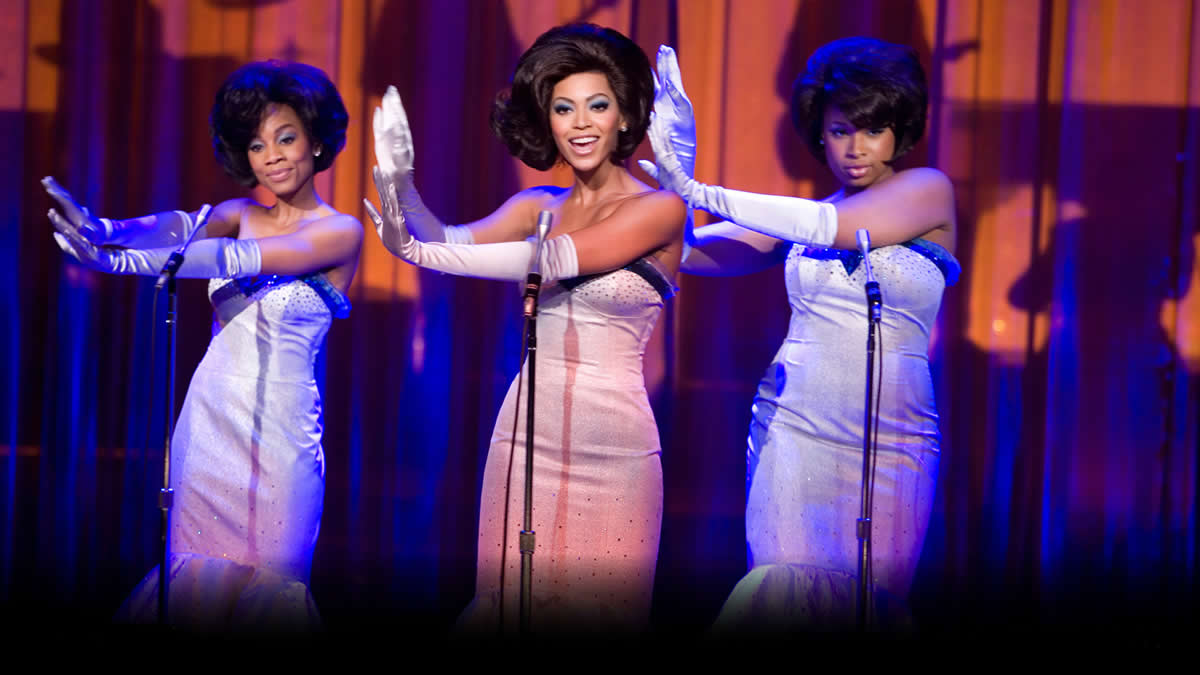
You know that moment when you realize someone’s really got it? For her, it happened in Dreamgirls back in 2006. She stepped into Deena Jones’s shoes—pretty much a nod to Diana Ross—and swapped the typical superstar flash for something sharper and more current. The movie grossed more than $155 million on a $80 million budget. That’s impressive, especially since musicals don’t always pack theaters.
She reportedly went method-ish for it, too—weight loss, vocal tone tweaks, different speaking cadence to fit the 60s vibe. Not just “Beyoncé wearing a costume,” you know? The movie earned eight Oscar nominations, and while Jennifer Hudson grabbed most of the awards spotlight, Beyoncé’s star power was a huge reason the project got the green light in the first place. And she didn’t get swallowed up on screen, even with heavy hitters like Jamie Foxx and Eddie Murphy right there.
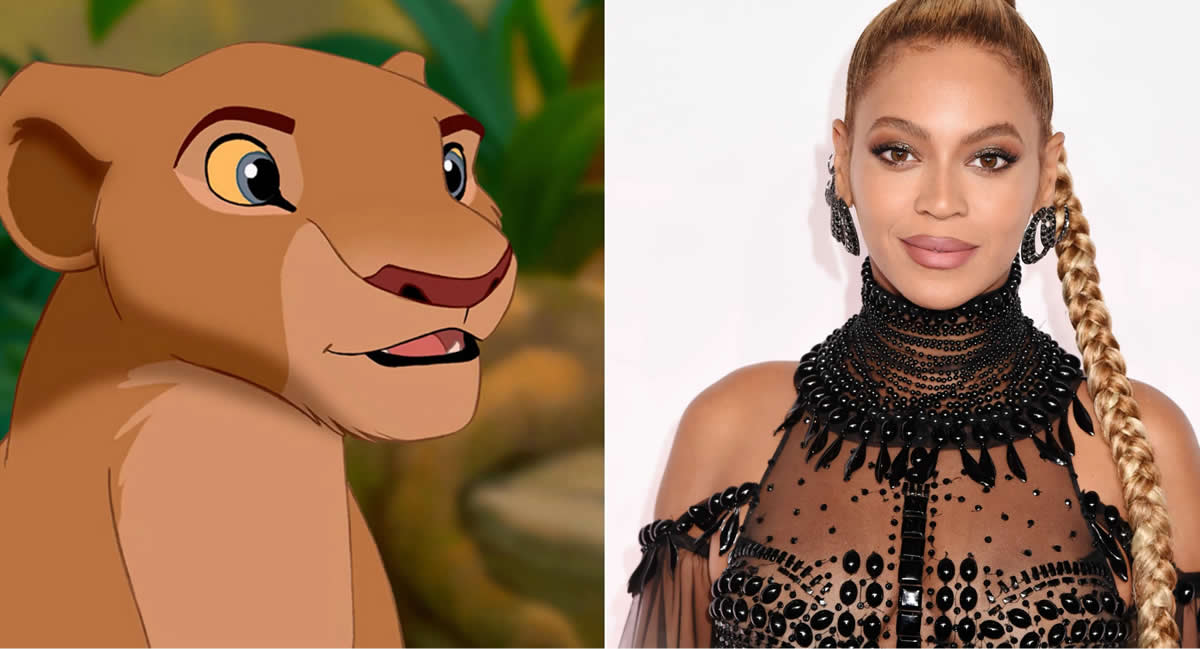
Later, she voiced Nala in The Lion King remake, sure. Massive project. But Dreamgirls is where she showed she could hold a dramatic musical film without leaning on pop-concert energy. Big difference.
The Celluloid and Vinyl Connection
So why does this crossover keep happening? Because fame is a machine, and Hollywood loves machines that already run. A musician walks onto a set with a built-in fanbase, and executives start doing math in their heads. It’s a safety net. Even if the script is shaky, millions of fans might show up anyway, just to see their idol exist in widescreen.
But—here’s the thing—fanbase alone doesn’t make box office history. Not really. You need the goods. You need timing, a role that fits, and enough acting ability to keep people watching after the novelty wears off.
Also, the way we find these movies has changed. Before, you bought a ticket, or you missed it. Now? We stream an album in the morning and stream a movie at night. The lines are blurry, and the hunt is different. If you’re trying to track down older performances (or weird early-career stuff), tools like JustWatch or Yesmovies can help you figure out where something is legally available, while IMDb helps you map the filmographies and deep cuts. It’s less “video store browsing,” more “tabs open everywhere.” Slightly chaotic. Very modern.
And yet, despite all that tech, the core is still storytelling. Always. If the story hits and the performer delivers, people will show up. Again and again.
Final Thoughts
So what did we learn from these three box office monsters? That the jump from recording booth to silver screen isn’t automatically a vanity project. For a rare few, it’s a second conquest. A new arena. Different rules, same pressure.
And I think that’s what’s so fun about watching it happen. When it works, it’s not just “celebrity casting.” It’s vulnerability plus star power, balanced just right. A gritty drama, a romantic thriller, a musical story about ambition—different genres, same result: lines around the block and numbers that make studio accountants quietly cry happy tears.
Because real talent doesn’t care what medium it’s in. Mic or script, stage lights or camera lens… if you’ve got it, you’ve got it. And honestly? We’re lucky we get to watch them try. Even when it fails a little. Sometimes, especially then.