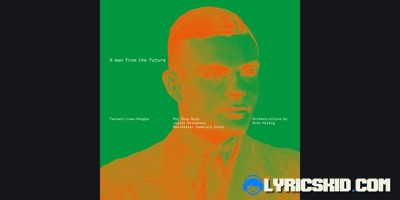
Pet Shop Boys release A Man From The Future tomorrow, October 9, twelve years after the work's first performance. Alan Turing's life is the subject of its eight chapters. Andrew Hodges, who wrote Turing's biography, worked on the piece with Neil Tennant and Chris Lowe; Juliet Stevenson supplies the narration on the new recording.
The title may ring a bell for anyone who followed the duo's 2014 Proms appearance. Back then it was performed at the Royal Albert Hall with the BBC Concert Orchestra and BBC Singers. The album due on Friday comes from new sessions. Pet Shop Boys have revised and rearranged the work, with the Manchester Camerata Octet now playing the strings arranged by Sven Helbig.
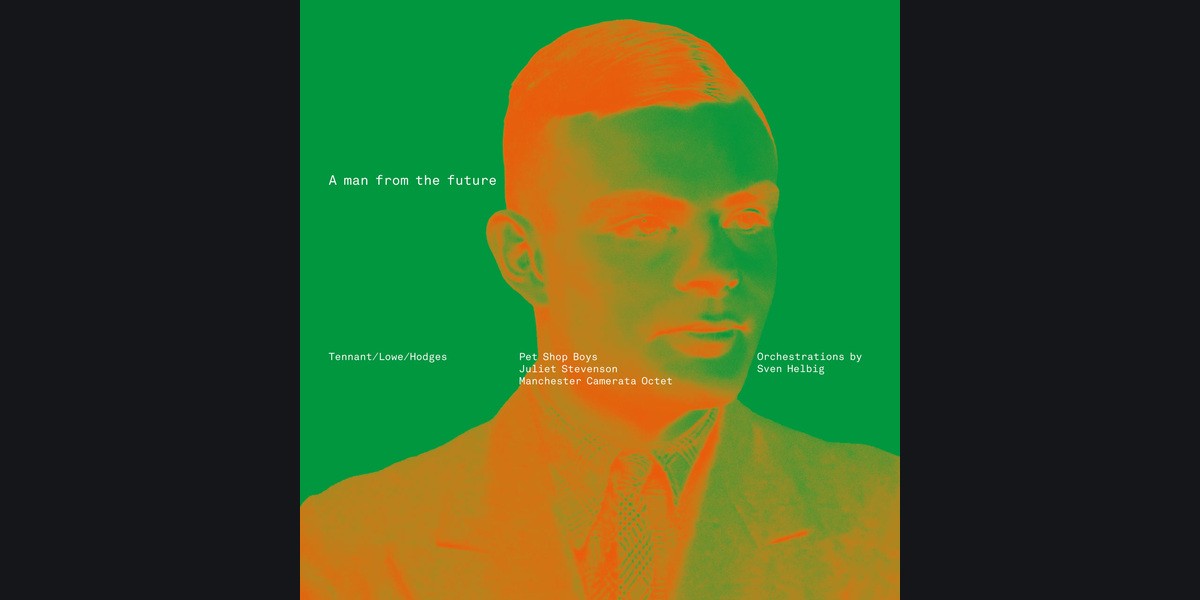
There's a fair amount going on in the credits. The London sessions covered Tennant's singing and Stevenson's narration. Manchester's Stoller Hall was used for the octet and the Manchester Grammar School boys' choir. Maarten Vos added production and synthesizer work in Berlin. Tennant and Lowe's programming and keyboards are in there too, and they produced the record with Helbig.
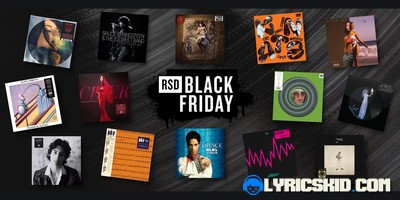
For someone wondering whether to return to a familiar title, those names answer one question straight away. This is a fresh performance of the work, made for the album. Knowing the older version doesn't mean knowing this recording. We looked at a similar distinction in our guide to Record Store Day's new pressings and alternate recordings: before choosing an edition, check whether the music has been recorded again or simply issued in another form.
With this particular piece, we'd also leave the shuffle button alone on the first listen. The chapter list moves from He Dreamed Of Machines and The Enigma towards The Trial and Only In His Death. You don't need to know every detail of Turing's biography to see that these titles belong to a sequence. They carry you through a life, rather than lining up eight unrelated songs.
That makes the album an approachable place to start for people who missed the original concert. It can be heard as a complete account, with the narrator, voices and instrumental parts doing different jobs. A favourite section can always be revisited later. Starting at the beginning gives the story a chance to unfold before any one part becomes the track you habitually play.
Hodges has written an essay for the CD and vinyl booklets, while Farrow designed the cover. The essay is there for listeners who want more historical background alongside the music. As for the recording itself, tomorrow is when a wider audience can start making up its mind. The dates, musicians and revised score explain why the work is returning; the listening will tell us what this version brings to it.