Let's have some complete honesty here for a moment. If you've spent any considerable time looking through TikTok or searching through the Reddit threads for music, then you've likely come across a track that doesn't actually exist. You might hear a clean vocal line from The Weeknd or an unheard verse from Playboi Carti and try to find it on Spotify or Apple Music and end up unable to locate it.
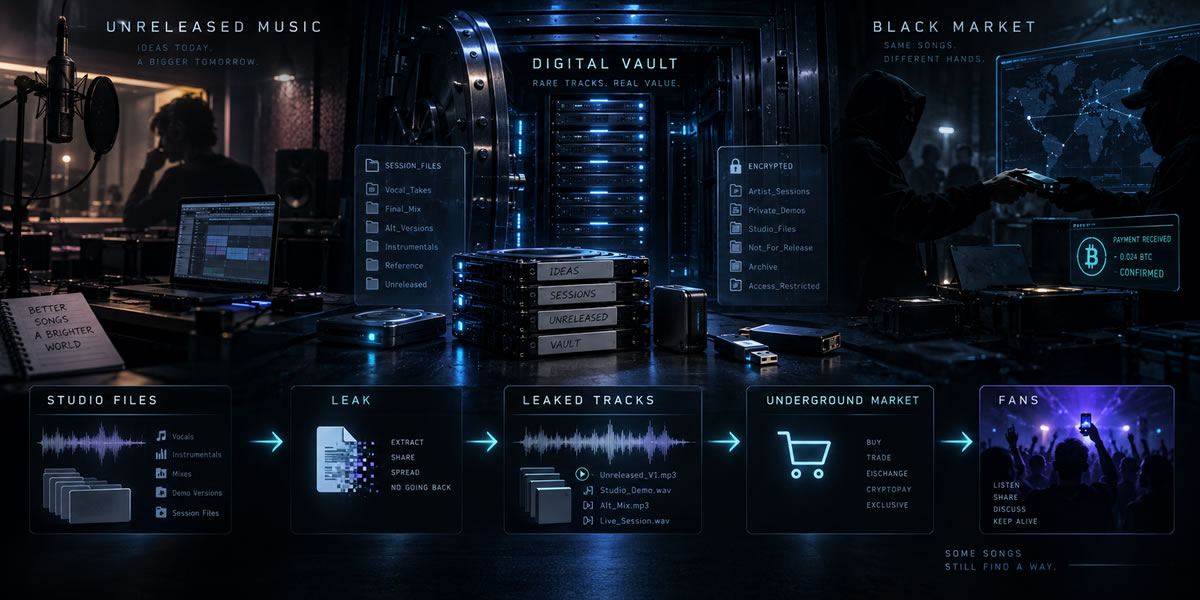
It is a bizarre modern phenomenon. Back in the early 2000s, music piracy was mostly just teenagers burning low-quality MP3s onto CDs using Napster or Limewire. Today? The landscape of leaked music has evolved into a highly sophisticated, incredibly lucrative underground industry. We aren’t dealing with fans holding a cheap microphone up to a radio anymore. Today, when a massive pop star’s unfinished studio session leaks to the public, the file has usually taken a very dark, complex journey.
These raw vocal takes and scrapped lyrics aren’t just casually passed around by friends; the initial sales and massive cryptocurrency transfers for these stolen tracks often take place on real dark web sites, where a pop star’s unfinished work is essentially auctioned off to the highest bidder like an illegal piece of digital artwork.
The Legend of the Scrapped Album
To really understand the sheer scale of the music black market, you have to look at the holy grail of leaked albums: Kanye West’s infamous Yandhi.
Though scheduled to be released in 2018, this project was abruptly cancelled and heavily reworked. The original, incomplete files got compromised, however. All of a sudden, there were tons of tracks in their complete, yet unmixed state, with unpolished reference vocals. People actually used to analyze the lyrics of the incomplete version of the song before it even got released. That's how fans create their own version of reality, when the "leaked" track is far more popular than its official counterpart.
But how exactly do these hackers get their hands on files locked deep inside multi-million-dollar recording studios?
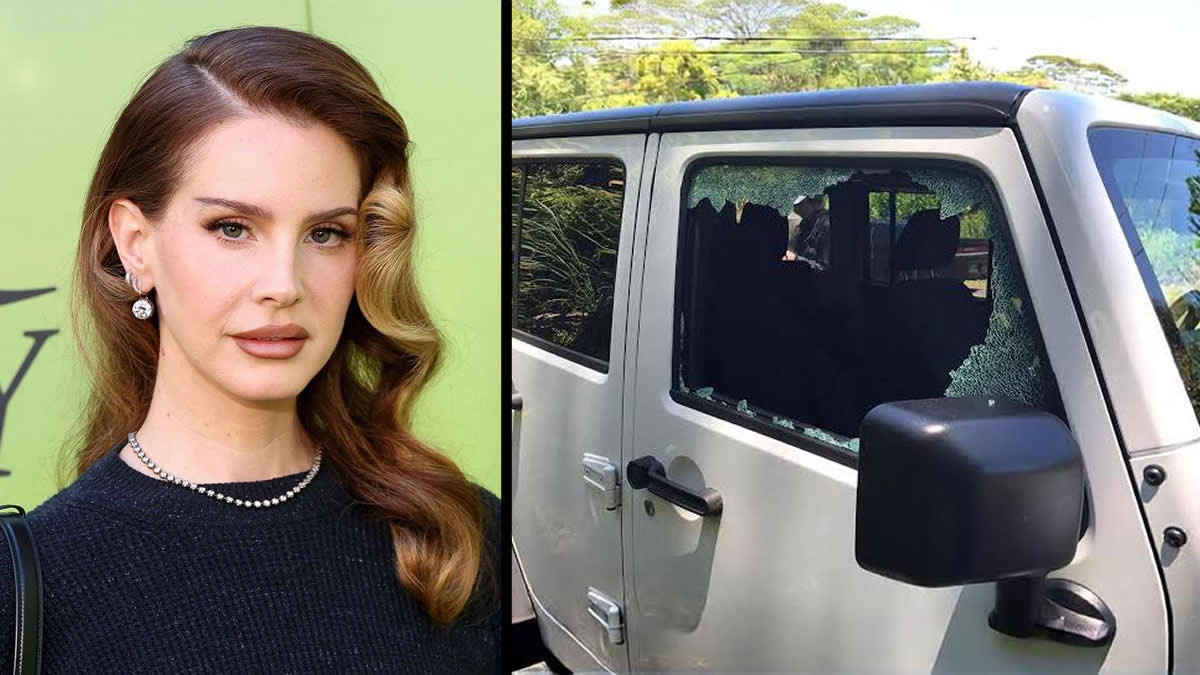
It’s usually a lot less glamorous than a Hollywood spy movie. Sometimes it’s a classic phishing scam targeting a tired audio engineer who accidentally clicks a bad link in an email. Other times, it’s raw physical theft. Just a few years ago, Lana Del Rey had her car broken into in Los Angeles. The thieves didn’t just take her backpack; they stole a hard drive containing hundreds of pages of unreleased lyrics, personal poetry, and finished, unreleased songs. She actually had to go on Instagram and beg her fans to please stop listening to the leaks because it felt like a massive invasion of her personal diary.
The Tragic Case of the Infinite Vault
While some artists view leaks as a massive financial loss, for others, it takes on a much heavier, more tragic meaning.
With the passing of Juice WRLD, there was an astronomical amount of content that was left behind. He was well-known for being able to get in the booth and spit out an emotional, coherent track in one sitting. In the aftermath of his death, some producers' cloud storage had been hacked, causing the leak of thousands of unreleased songs with extremely high quality.
Fans who loved Juice's music because of the openness in tracks such as Lucid Dreams and Robbery saw this as a sweet and bitter gift. They were still able to listen to him, although in a different way. Ethically, it is very grey. Fans are practically rifling through the journals of a dead person.
The Anatomy of a Modern Music Leak
If you ever wonder how the pipeline actually works, it generally follows a pretty strict, underground business model. The people pulling off these digital heists rarely just post the song for free.
Here is how a major track usually goes from a secure studio to your social media feed:
- The Breach: Hackers target the weakest link—usually a session musician, a mixing assistant, or a heavily shared Dropbox folder.
- The Ransom or Auction: The hackers will either try to extort the record label, or they will set up a private group buy (often on encrypted messaging apps) where fans pool their crypto together to buy the song.
- The Group Buy Release: Once the hacker gets paid, they release the file to the buyers.
- The Viral Spread: Within minutes, one of those buyers uploads it to YouTube or SoundCloud, and the track is officially out in the wild forever.
The Ethical Dilemma for the Listener
We are in an incredibly difficult situation. When you admire an artist's songwriting skills, and you know that there is a wonderful unreleased song right there in a Google search away, it is tempting not to resist listening. There is a mad rush among lyrics websites to decipher the audio leaks; there is discussion going on regarding the meaning of the lyrics, and the excitement grows. However, with each new leaked song we listen to, we are essentially circumventing the artist's creative process.
Next time you hear an unreleased and much-anticipated part of a song by either Billie Eilish or Drake, stop for a minute and think about how that file came into your hands. The internet has provided us with unprecedented access to our favorite artists, but sometimes it has gone too far.