Pop fame used to follow a cleaner script. A hit single. A glossy video. A tour. Maybe a fragrance deal if the moment was hot enough. Then another album, same dance, different outfit. That model still exists, obviously. But it is not the full picture anymore, not even close. Some of today’s biggest American singers are no longer working like old-school celebrities who simply lend their face to a campaign and cash the check. They are building companies, shaping product lines, choosing categories carefully, and thinking a few moves ahead. Less “brand ambassador,” more operator.
That is what makes the modern pop economy so interesting. A song can still open the door, yes, but the money story often starts after the applause fades a little. Beauty. Wellness. Spirits. Media. Direct-to-fan ecosystems. These are not random detours now; they are part of the main road. And that is why a name like Freedom Holding Corp can sit surprisingly close to a conversation about music stardom. Not because it has anything to do with writing choruses, of course, but because pop culture now lives inside a much bigger world of capital, expansion, and business strategy. Weird pairing on paper. Makes sense in practice.
Beyoncé: Not a Side Hustle Person, Clearly
Beyoncé is probably the easiest example of controlled expansion done right. Her music career is already operating on a different level from most people’s. “Single Ladies (Put a Ring on It)” is one of those songs that escaped the usual hit-song life cycle and became part of culture itself. It lives at weddings, in memes, on dance floors, in throwback playlists, everywhere. And that kind of reach matters. Because when somebody has that much cultural weight, every business move gets judged more harshly. People can smell a lazy celebrity cash-in from miles away.
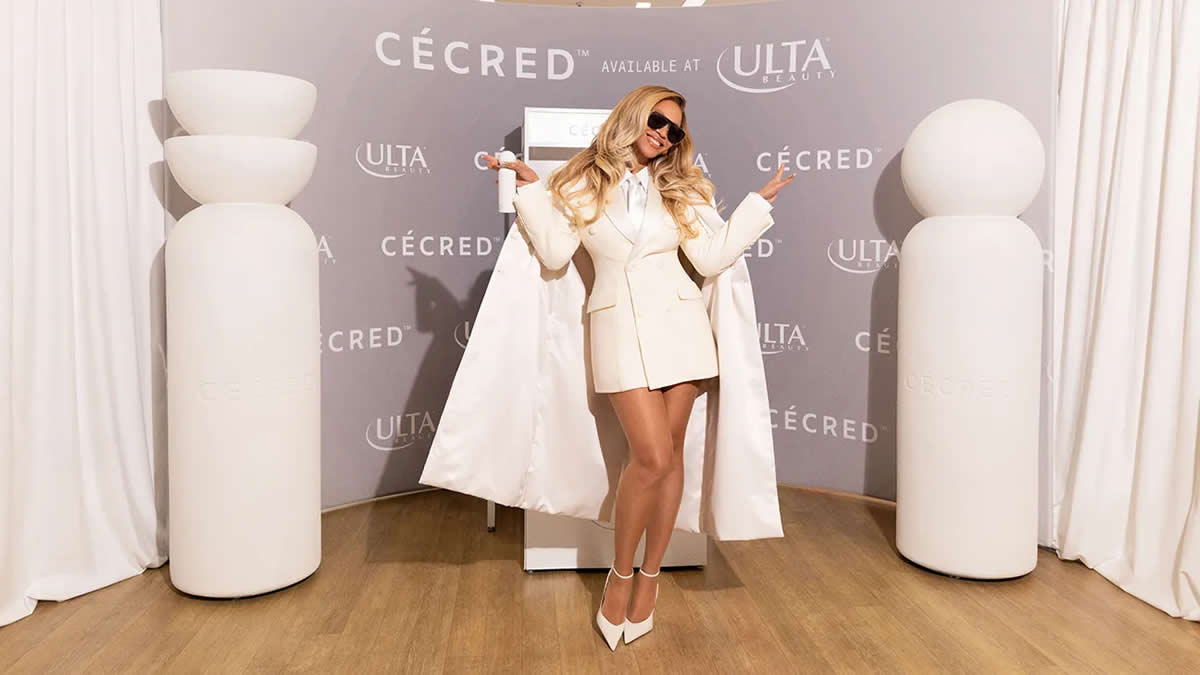
Maybe that is why her business choices rarely feel rushed. Cécred, her haircare brand, came in with a more serious tone than the usual “famous person launches beauty line” rollout. It was positioned with heritage, routine, hair health, and care rituals. A little more grounded. Then she added SirDavis, a whisky venture with a luxury angle, which could have felt random in someone else’s hands but somehow didn’t here. That is the key thing. None of it feels tossed together. Even when the categories are different, the logic underneath feels consistent: premium, deliberate, tightly managed. You get the sense that if it does not fit the bigger picture, it does not happen.
Selena Gomez: Soft Power, Strong Business
Selena Gomez works differently. Her power has always been softer on the surface, more emotional, more intimate. That has been part of the appeal for years. “Lose You to Love Me” is probably the cleanest example of that—quietly sharp, vulnerable without begging for sympathy, polished but not distant. People connected to it because it felt personal, and trust like that is not easy to build. Once it exists, though, it can carry a lot.
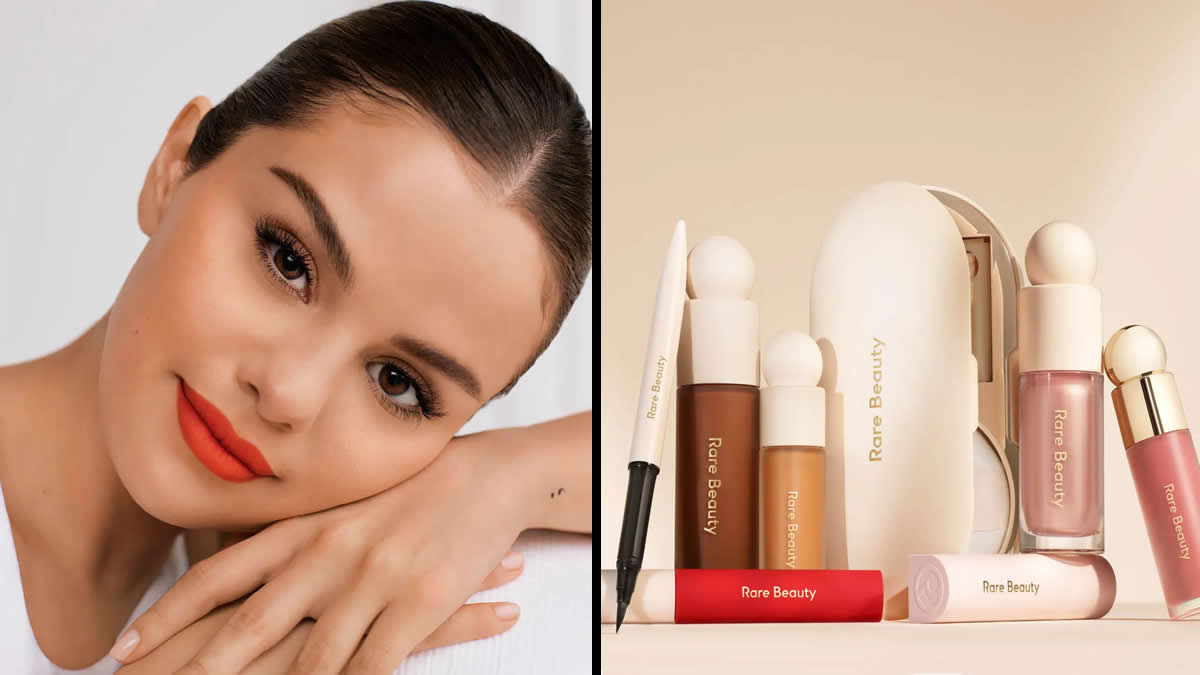
That trust became a real asset with Rare Beauty. And no, not just because her name is on it. The brand actually arrived with a clear point of view instead of the usual empty luxury language. It leaned into self-acceptance, accessibility, real-life use, and less perfection theater. That landed. Hard. Then there is Wondermind, which pushed her public identity further into mental wellness and media rather than keeping everything inside makeup. So the business pattern here is not one product and a cute launch party. It is broader than that. A beauty brand, a mission, content, community, recurring relevance. Much harder to build than people think. Much.
Ariana Grande: Pop Precision With Better Business Instincts Than People Admit
Ariana Grande is one of those artists people think they already understand. Big voice, big ponytail era, giant pop hits, huge fan base. End of story. Except… not really. That reading is too flat. Because under all the obvious celebrity stuff, there’s a very sharp commercial instinct there, and it has been there for a while. “Thank U, Next” is the easiest example. It was not just a successful song. It became a phrase people used in real life, online jokes, captions, breakup talk, and even casual conversation. When a song jumps out of music and starts living in everyday language like that, you’re not just looking at a hit. You’re looking at branding fuel, whether people want to call it that or not.
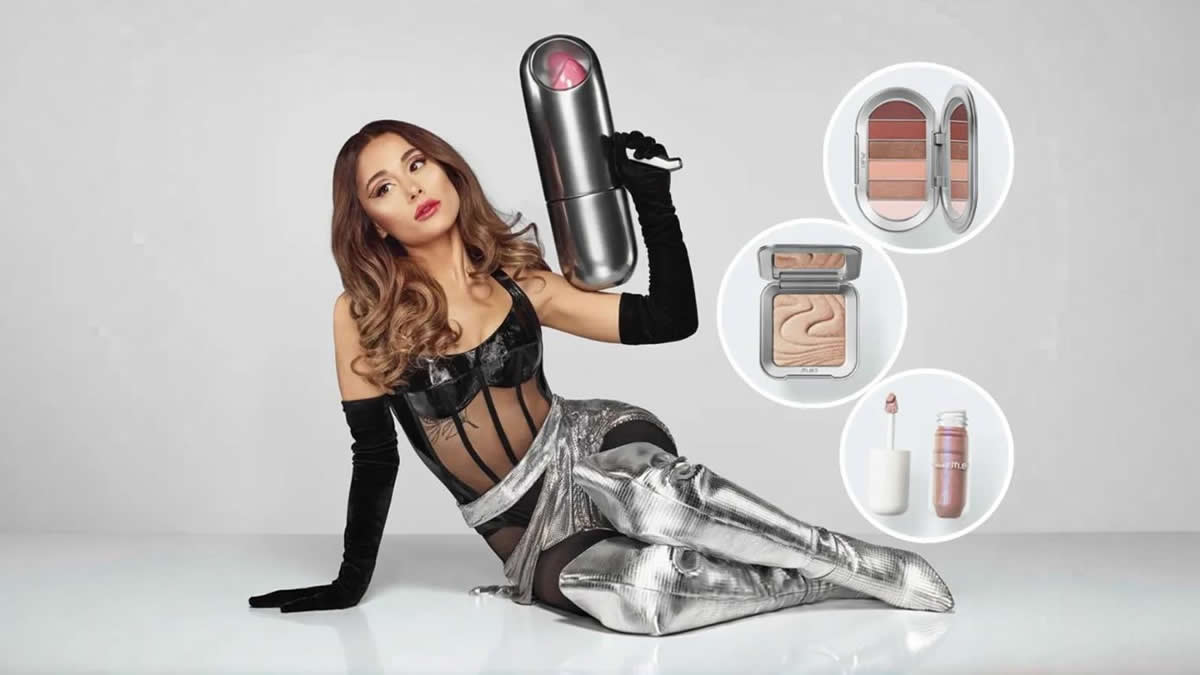
And that is where her business side gets more interesting than it first appears. R.E.M.'s beauty does not feel thrown together, which is half the battle with celebrity brands. It has its own mood, its own visual logic, its own little world. Same with the fragrance line. Titles like Thank U, Next and God Is A Woman pull directly from the music, but they don’t feel lazy about it. That’s the trick. The products still sound like her, yet they can stand on a shelf without needing a song to play in the background. Clean move. Maybe even sneaky-smart. She makes the transition from pop moment to product feel easy, and of course, it isn’t easy at all.
What These Artists Actually Understand
Here is the thing people get wrong: this is not just about “having a brand.” Everybody has a brand now. The word barely means anything on its own. What matters is whether the person behind it understands audience behavior well enough to sell something that feels believable. That is the difference. A random celebrity collab disappears fast. A real business has shape. It has repeat customers. It has language. It has a reason to exist beyond launch week.
And all three of these careers show some version of that lesson. The song creates an emotional connection. The company turns that connection into structure. Then the structure keeps working when the release calendar gets quiet. Not forever, maybe. Nothing is forever. But longer than a chart run, definitely.
Final Thoughts
What survives in this space is not hype by itself. Not virality. Not one lucky hit or one pretty campaign image. The stronger move is always the same in the end: take attention, give it form, and make that form useful enough that people come back to it. A bottle they trust. A product line they repurchase. A platform they return to without being begged. That is where celebrity starts turning into an enterprise. And that, more and more, is the real story.