
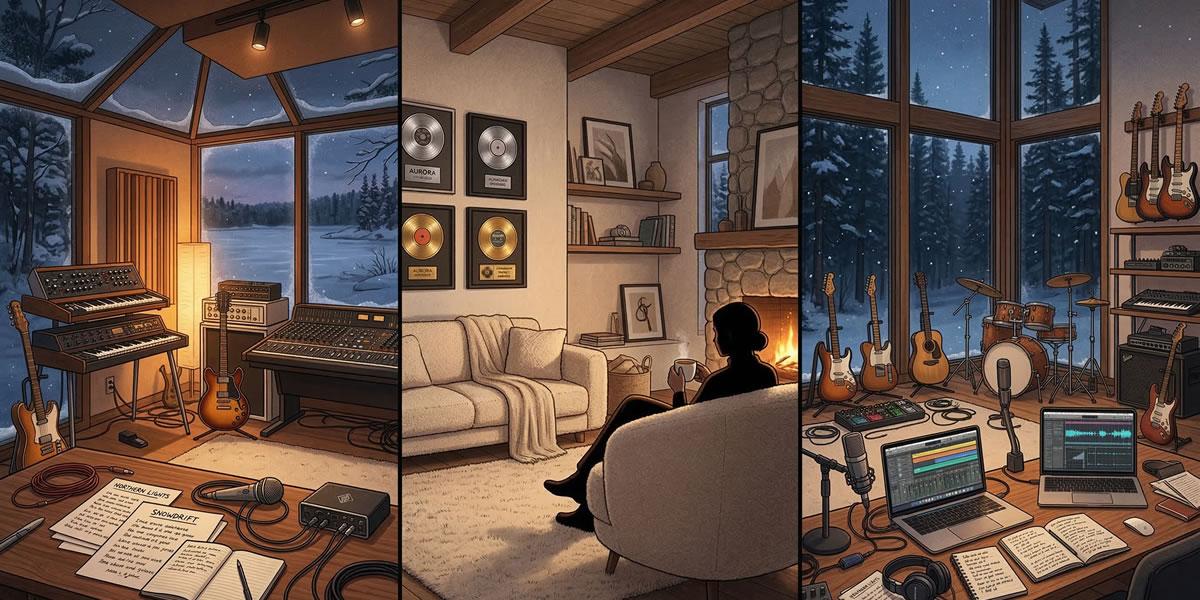
Before all the fans, packed shows, headlines, and fancy clothes, it starts with a room. There’s a desk, maybe a piano, some kind of view out the window—possibly a couch stained with the ghost of half-formed songs. That part gets overlooked. We talk about fame like it only lives onstage, but it doesn’t. For major Canadian singers, home is often where the public image cools off, and the real creative life starts again. Not always glamorous, either. Sometimes it’s grand and polished, yes. Sometimes it’s warm, personal, a little quieter than you’d expect. And that contrast is exactly what makes these homes interesting.
Drake’s World: Big Records, Bigger Rooms
Drake has never really done “small.” That has been obvious for years. He turned private feelings into anthems, and massive events into something almost secret. Tracks like “One Dance” and “God’s Plan” really nailed that vibe. He jumps from being brooding to over-the-top, from hilarious to almost distant, sometimes all in the same song. Few artists sell scale the way he does. Even when the lyrics seem intimate, the presentation is grandiose.
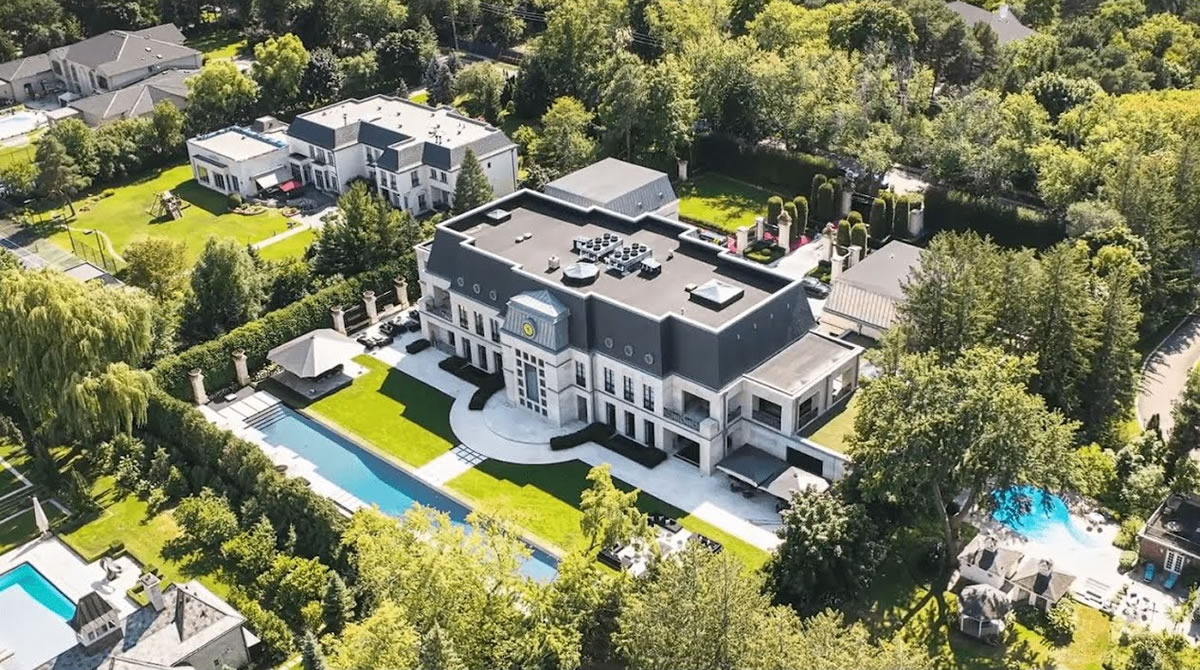
So, of course, the house follows that logic. His Toronto home is less a “nice celebrity home” and more a full-blown statement piece. Monumental, almost theatrical. The residence is known for its limestone-heavy grandeur, dramatic proportions, a soaring great room, an indoor basketball court, and a professional-grade recording space. There is also a custom grand piano in the mix, because subtlety was clearly not invited. Still, the place does not feel random. It feels intentional, like an artist trying to turn hometown pride into architecture. A little excessive? Sure. But in a way that aligns perfectly with the career.
Michael Bublé’s Home Style: Family First, Music Always Close
Michael Bublé has always carried a different kind of star power. His appearance displays a smoother and softer version of himself. He leans into elegance without becoming stiff about it, which is harder than it sounds. The songs “Haven’t Met You Yet” and “Feeling Good” continue to stay in the public’s mind for this reason. They feel polished, but not cold. The product creates a romantic atmosphere, which never reaches the point of excessive sweetness. His performances display natural simplicity, which audiences find appealing.
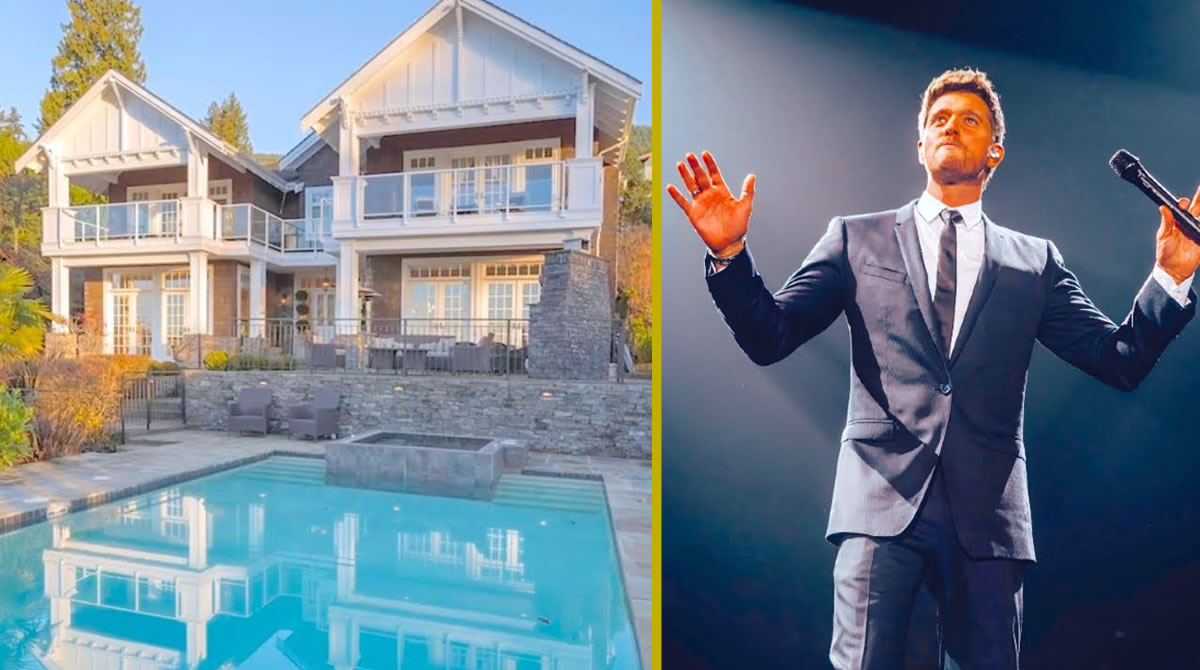
His Canadian home gives off a similar energy. The space presents an upscale appearance, which does not create an atmosphere that shows people “should not touch anything.” The space shows signs of active use. The space appears to be packed with people. The space produces loud sounds because it contains many people. The home features an exceptional music-friendly upstairs area, which includes a piano, microphone, and amp, while other spaces serve their purpose as areas for entertaining and family bonding. The downstairs area of the building can transform into a party space, while the upstairs area maintains its comfortable sing-along atmosphere. The balance between these two elements provides significant information about the situation. The building functions as a trophy house. The design creates a space for holidays and family activities, which includes music flowing throughout the different areas. The place functions as a home, except for its superior selection of furniture.
Justin Bieber’s Place: Retreat Energy for a Life That Rarely Slows Down
Justin Bieber’s story has always had this push and pull between chaos and retreat. He became famous absurdly young, stayed famous, got judged constantly, and then somehow kept making songs that hit anyway. That takes more stamina than people admit. Tracks like “Sorry” and “Love Yourself” worked not just because they were catchy, but because they felt open in a way pop sometimes avoids. There is polish there, of course. But also fatigue, honesty, and some wear and tear. You hear it.

His Ontario property sounds like the kind of place built for decompression. Big, but not in a city-showpiece way. More secluded. More breathe-out-and-log-off. The estate includes a large main house, private gym, movie theater, wine cellar, fireplaces, and lake access, plus equestrian features like stables and a track. That is a lot, yes. But what makes it interesting is the mood of it. Less performance, more distance. More recovery. You can imagine somebody waking up there and not needing to prove anything before breakfast, which, for a life that public, probably feels luxurious in the deepest sense.
When Creative Rooms Become Part of the Brand
What ties these spaces together is not just money or square footage. It is the way design starts to overlap with creative identity. A music room is never just a music room. A lounge becomes a writing corner. A quiet office starts doubling as a planning space, a listening room, a place where the next era begins in sweatpants. That is why details matter more than people think. Lighting, layout, wall color, atmosphere. In that context, even a phrase like office painting Calgary stops feeling random and starts sounding like part of the same larger conversation about how creative people shape the rooms they work inside.
Conclusion
That may be the real appeal of celebrity interiors. Not the price tag. Not the square footage. It is the glimpse of what happens when ambition finally sits down somewhere. These spaces show that creative lives need more than attention; they need shelter, rhythm, softness, a place to go quiet for a minute. And when a home gets that balance right, you can feel it immediately. Even from far away.