
Everyone’s obsessed with a good glow-up online. One new photo or a wild tour video, and suddenly the internet turns into a swarm of armchair detectives: “Did they get surgery?” “How fast did that happen?” “Is it Ozempic or just Pilates?” It gets weirdly personal, especially since most of us have never even met these people. Still, there’s a reason these stories take off. Pop stars live in this crazy world where energy means everything—late nights, endless rehearsals, sweating under stage lights, cameras everywhere. So when a singer shows up looking different, it usually means more than just a new workout routine. You can see shifts in their health, maybe where their mind’s at, or even some survival instinct kicking in.

That curiosity also turns into searches, the kind that spike overnight. People go looking for a shortcut, a neat answer, a magic stack of pills. So you’ll see best dietary supplements trend alongside performance clips and red-carpet photos, even though the real work is usually boring: protein, steps, sleep, consistency, repeat. Not glamorous, but it pays.
Jelly Roll: The “I Want My Breath Back” Kind of Transformation
Jelly Roll’s story hits different because it doesn’t feel polished. It feels like a real person deciding they want more out of life. The shift people notice isn’t just visual—it’s energy. When someone is on the road constantly, small habits can quickly become big habits: late meals, poor sleep, stress eating, and so on. And then one day, the body says, “Hey buddy… enough.” His changes have been framed publicly as a steady, ongoing journey rather than a sudden “before/after” trick, and that’s important. Slow is the point.
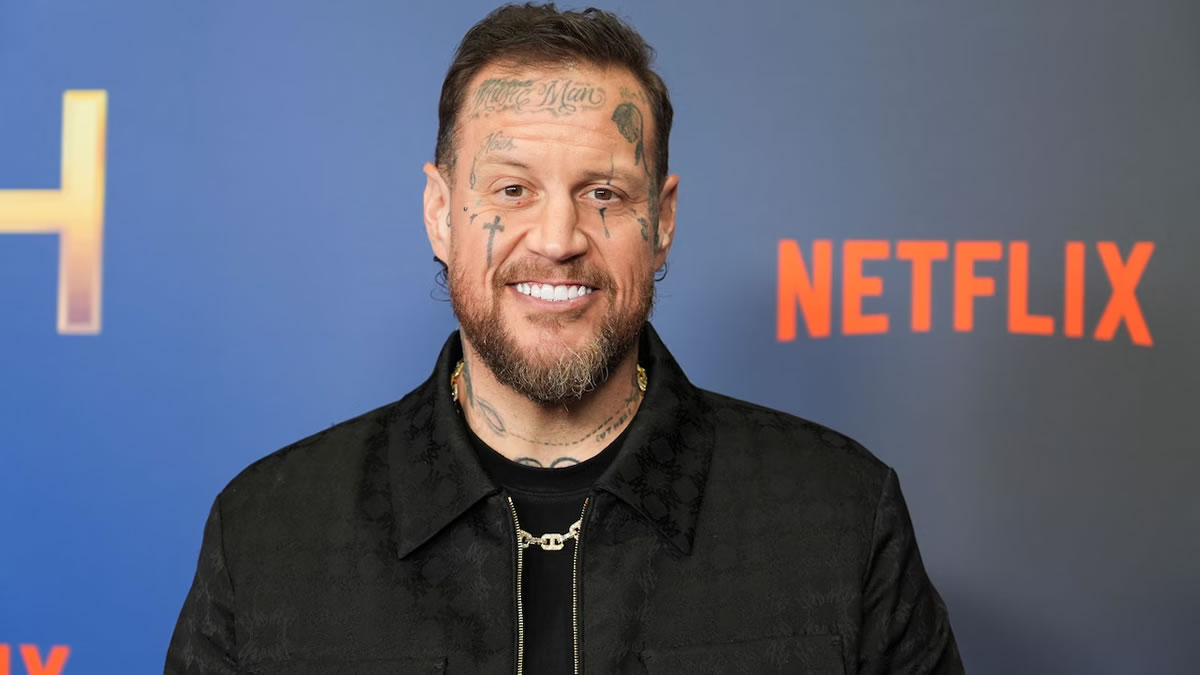
If you want a pop-culture timestamp for his rise, Need a Favor became one of those tracks that follows you around—radio, playlists, clips from live sets. That kind of momentum pushes the schedule harder, not easier. Which is why the practical stuff matters: walking more, building endurance, making food decisions that don’t crash you mid-day. It’s not about looking like a different person. It’s about showing up night after night and not feeling like you’re fighting your own body to do it.
Meghan Trainor: When “Body Talk” Meets Real-Life Health Choices
Meghan Trainor has always been connected to body conversations, whether she asked for it or not. You can’t have a global hit like All About That Bass and then live in peace when the public decides it owns your image. That’s the uncomfortable truth. And yet her more recent health and weight conversations have sounded less like “approval seeking” and more like “I’m managing my life.” That includes postpartum realities, energy demands, and the personal stuff people love to debate but rarely understand from the outside.

Her entire professional journey exhibits a surface appeal that combines eye-catching musical elements with her bold personality and her ability to deliver humorous performance content. The standard work schedule requires employees to operate regardless of their personal emotional states. The body needs to heal while hormonal changes create extreme physical reactions and rising stress levels. The process of adult transformation requires individuals to seek expert assistance while creating permanent solutions and using regulated medical treatment. The situation requires two specific elements to function properly: contemporary medical treatment needs to operate normally without any instances of gossip or shameful behavior.
Adele: The Quiet Shift From “Weight Loss” to “Strength and Calm”
Adele’s transformation became a headline machine, but the most interesting part was her framing of it. She’s never sold it as a “be thinner, be happier” fairy tale. If anything, her public tone has leaned toward strength, anxiety management, and feeling grounded. Which is refreshing, because celebrity culture loves to pretend aesthetics are the only motivation. They’re not. Sometimes people change because their minds are tired. Sometimes, because their joints hurt. Sometimes, because they want to feel in control of one thing when everything else is chaos.

It also fits her whole artistic DNA. Rolling In The Deep is basically emotional architecture—big feelings, clean delivery, no hiding. And that same honesty is what made her lifestyle shift resonate: it didn’t come with a fake “secret.” It came with discipline, routine, and a kind of private stubbornness that you can’t bottle and sell. Fans might want a checklist. But what really moved the needle was consistency over time, the kind nobody celebrates because it looks boring on day three and day ten and day thirty.
Conclusion: The Part Nobody Posts on Instagram
What makes these stories compelling above all else? The story demonstrates that change can happen through practical methods that maintain their effectiveness despite their natural flaws. The best takeaways are unsexy: pick habits you can repeat when life gets loud, keep your goals tied to energy and wellbeing, and don’t let comment sections define your health standards. The spotlight might transform instantly, but real progress usually happens through daily routines that involve nonviral choices that accumulate over time.