
Celebrity lawsuits become news all the time, sure. But now and then, one lands in that strange zone where it’s not just gossip, not just legal paperwork either. This Amy Taylor vs photographer Jamie Nelson fight is one of those. It has fashion-shoot imagery, band branding, copyright claims, social posts, and now a countersuit—messy, modern, very 2026.
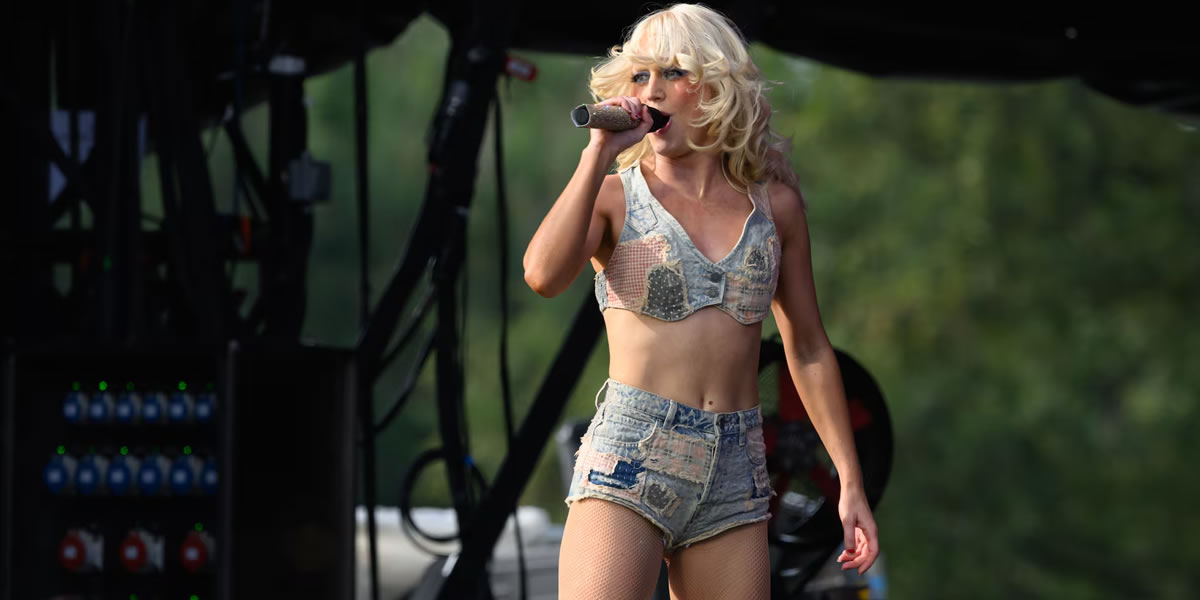
What makes it more than a quick headline is the overlap of rights. We’re not talking about one clean argument with one clean answer. The reporting says this dispute touches image use, copyright ownership, alleged commercial exploitation, and even speech-related legal defenses. In other words, the kind of case that looks simple on social media and becomes way less simple the second you read the filings.
What Happened in the Amy Taylor–Jamie Nelson Dispute?
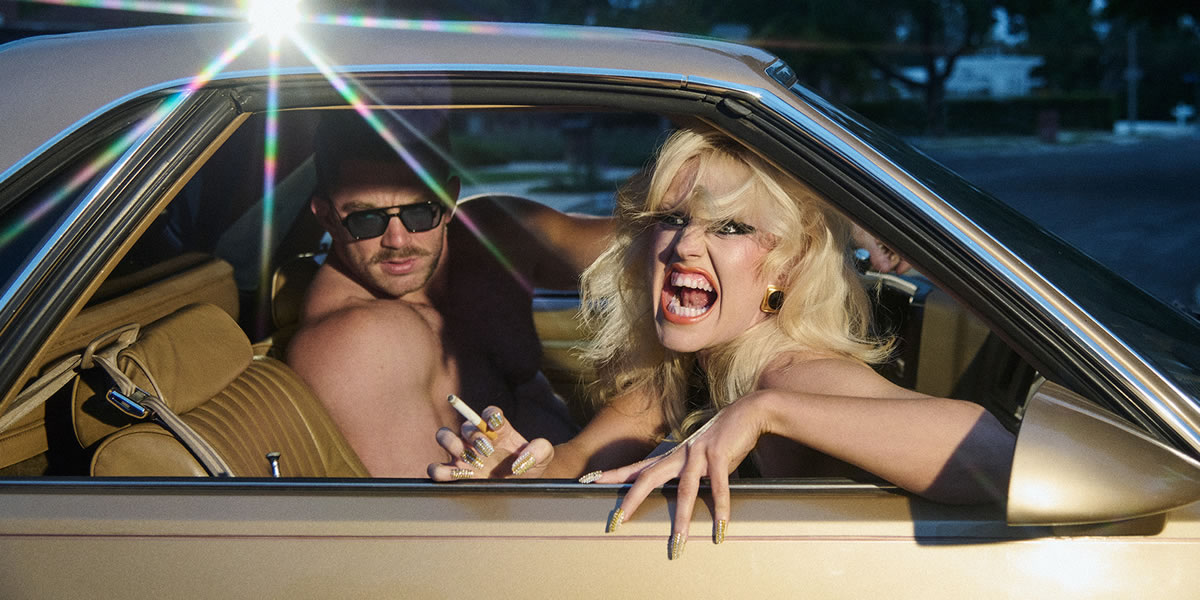
According to The Guardian, the case centers on a May 2025 Vogue Portugal shoot of Amy Taylor (the “Champagne Problems” series), after Taylor sued over photographer Jamie Nelson’s sale of limited-edition fine art prints from the shoot. The report says Taylor’s side argued there was no consent for commercial use of her image beyond the magazine context.
Then the story turned. Nelson countersued Taylor, Taylor’s partner, and the band, alleging copyright infringement tied to reposting the images on Instagram and using them while touring, and also asked the court to dismiss Taylor’s case. The Guardian also reports Nelson filed an anti-SLAPP motion and separately sought a restraining order, with case-management and restraining-order hearings listed for early March in Los Angeles courts. That’s when a niche dispute starts feeling like a serious ongoing legal battle, not a one-day headline.
Why This Case Is Getting Bigger Than a Typical “Photo Rights” Story
Part of it is Amy Taylor’s public profile. She’s not just a random subject in a fashion shoot; she’s the frontwoman of Amyl and the Sniffers, a band with a loud, global following and a very specific visual identity. So when images tied to that identity move into print sales and social promotion, fans pay attention fast. And people pick sides even faster. That part… predictable.
The other reason is timing. Amyl and the Sniffers are still riding the momentum of Cartoon Darkness, their latest album, released in October 2024, with tracks like “Chewing Gum” and “U Should Not Be Doing That” helping define this phase of the band. The record’s jagged, confrontational energy makes the legal headlines feel oddly in tune with the music era—different arena, same tension.
A Quick Music Context: Why Fans Care Beyond the Courtroom
If you’ve listened to Cartoon Darkness, you know the band’s appeal is not polished PR calm. It’s friction. Noise. Attitude. Songs such as “Born To Be Alive’” and “Chewing Gum” carry that punchy, no-apology style, and Amy Taylor’s persona is central to it. So, there is a dispute over image control and who profits from those images. Yeah, fans see that as part of the story, not separate from it.
That doesn’t mean fans know the law, of course. Most of us don’t. But they understand instinctively that in music now, visuals are business. Tour posters, editorial shoots, social posts, merch aesthetics — all of it matters.
Big Courts, Big Names, and the Lawyer Question
Cases like this also remind people how celebrity disputes can move across multiple courts and legal theories at once: federal copyright claims here, state-level hearings there, public statements everywhere. It’s the kind of legal maze that makes regular readers suddenly care about procedure. You don’t need to be a lawyer in Calgary, AB, to see why image rights, contracts, and platform use are now part of the music industry’s day-to-day risk map.
Conclusion
For now, this remains an active fight, and that matters. The details may shift as hearings move forward, filings pile up, and both sides keep arguing their version of what happened. But even at this stage, the case is already a sharp little snapshot of modern music culture: art, identity, social media, money, and ownership all colliding at once. Not pretty. Very real, though.