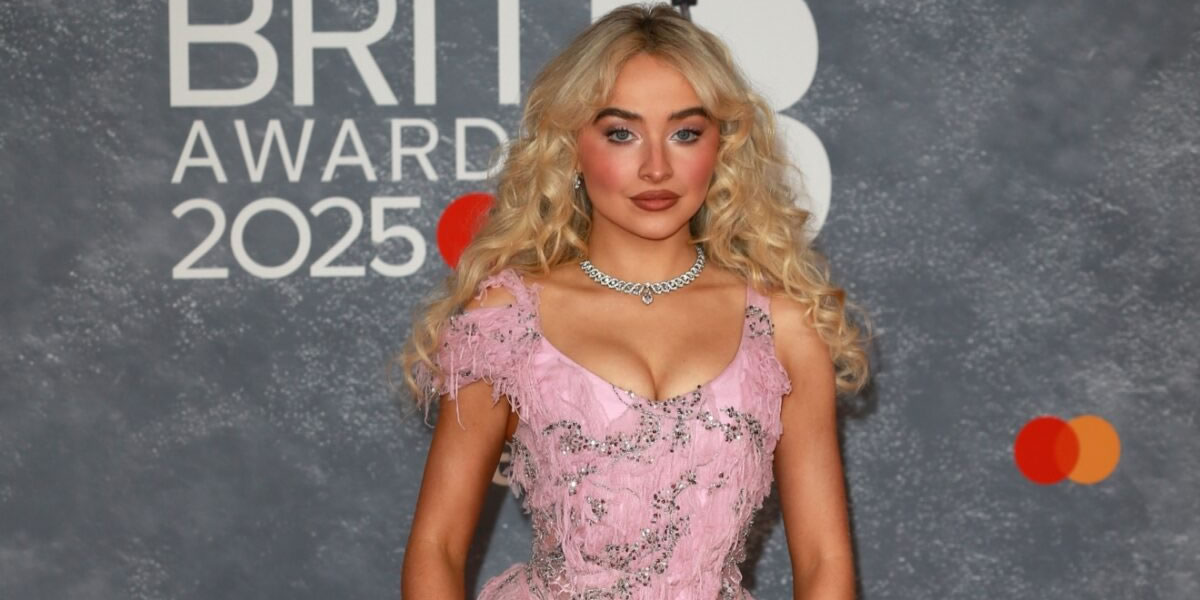
Sabrina Carpenter is openly distancing herself from the Donald Trump administration. A new White House immigration video featured her song "Juno" in a glossy enforcement reel. The clip, posted on official social channels, shows ICE officers chasing, tackling, and handcuffing people in the street.
However, the upbeat Short n’ Sweet track runs underneath the footage and turns real arrests into a jarring soundtrack. Carpenter called the video evil and disgusting on X and rejected any connection to the message. Above all, she told fans her music will never help promote what she views as an inhumane policy.
White House Defends Deportation Message Despite Backlash
The Trump White House quickly fired back after Carpenter’s post. Spokesperson Abigail Jackson issued a combative statement in defense of the video. She argued that the administration will not apologize for deporting what it labels as violent criminal offenders and repeat offenders. Nevertheless, officials framed the montage as evidence of tough border security rather than a cruel spectacle.
Critics, however, say pairing glossy enforcement images with chart pop normalizes harsh immigration tactics and flattens real human stories. And still, the clash shows how celebrity backlash can reshape public conversation around immigration policy, deportations, and ethical political messaging.
Musicians Challenge Political Use of Their Songs
This dispute is not isolated. And still, it fits a wider pattern of artists challenging political use of their music. In contrast, many pop stars now demand strict control over how their songs appear in campaign ads and immigration messaging. They also scrutinize social clips tied to polarizing issues and push back when content crosses their ethical lines.
Just last month, Olivia Rodrigo criticized the same administration for pairing a self-deportation video with her track All-American Bitch. Nonetheless, these public rebukes signal a clear trend: musicians are defending their brands, their rights, and their influence.